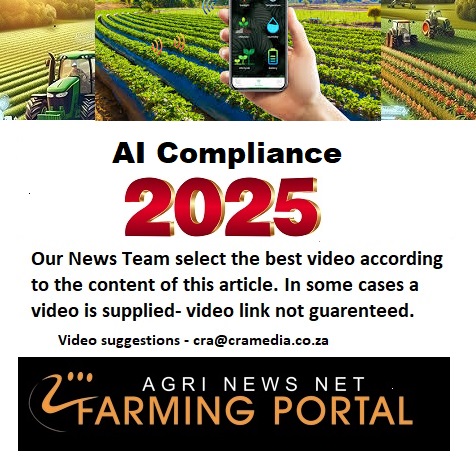







𝗥𝗲𝗮𝘀𝗼𝗻𝘀 𝗪𝗵𝘆 𝗜𝗻𝘃𝗲𝘀𝘁𝗼𝗿𝘀 𝗔𝗿𝗲 𝗘𝘆𝗲𝗶𝗻𝗴 𝗔𝗴𝗿𝗶𝘁𝗲𝗰𝗵 𝗶𝗻 𝟮𝟬𝟮𝟱
- Hits: 1925
User Rating: 5 / 5

From Silicon Valley venture capitalists to local entrepreneurs in South Africa, investors are increasingly funneling billions into agricultural technology—not because it’s the latest trend, but because it’s fundamentally reshaping the global food system.
Agriculture, one of humanity’s oldest industries, is undergoing a technological renaissance. The global population is projected to reach 10.4 billion by 2100, according to the United Nations, placing unprecedented pressure on food production. At the same time, challenges like climate change, water scarcity, and soil degradation are forcing farmers to rethink traditional methods. Enter Agritech: a fusion of cutting-edge technologies like artificial intelligence (AI), robotics, data analytics, and biotechnology that promises to boost yields, reduce waste, and make farming more sustainable.Investors are taking notice. In 2024, global Agritech investments reached $15.6 billion, according to AgFunder, with a significant portion flowing into precision agriculture, vertical farming, and alternative proteins. In South Africa, the sector is gaining traction, with startups like Aerobotics and AgriProtein securing multimillion-rand funding rounds. These companies are leveraging drones, AI-driven analytics, and insect-based feed solutions to tackle local challenges like drought and pest management, while also competing on a global stage.
Let’s break it down:
𝟭. 𝗚𝗹𝗼𝗯𝗮𝗹 𝗙𝗼𝗼𝗱 𝗗𝗲𝗺𝗮𝗻𝗱 𝗜𝘀 𝗥𝗶𝘀𝗶𝗻𝗴 𝗙𝗮𝘀𝘁
By 2050, the world will need 70% more food to feed a growing population.
Traditional farming alone can’t handle that pressure.
Agritech, through precision farming, smart irrigation, and data analytics is making it possible to produce more with less.
𝟮. 𝗧𝗲𝗰𝗵𝗻𝗼𝗹𝗼𝗴𝘆 𝗜𝘀 𝘁𝗵𝗲 𝗡𝗲𝘄 𝗙𝗲𝗿𝘁𝗶𝗹𝗶𝘇𝗲𝗿
From AI-driven drones to IoT soil sensors and mobile-based farm advisory apps, technology is rewriting the rules of productivity.
Farmers can now monitor soil nutrients, track pests, and even predict yield, all from their phones.
Investors love this kind of scalable innovation.
𝟯. 𝗠𝗮𝘀𝘀𝗶𝘃𝗲 𝗥𝗲𝘁𝘂𝗿𝗻 𝗼𝗻 𝗜𝗻𝗻𝗼𝘃𝗮𝘁𝗶𝗼𝗻
Agritech startups are delivering high ROI because they bridge the gap between technology and necessity.
Food is not optional.
When tech meets food, the market never goes dry.
That’s why venture capital and development funds are pouring into Agritech hubs across Africa and beyond.
𝟰. 𝗦𝘂𝘀𝘁𝗮𝗶𝗻𝗮𝗯𝗶𝗹𝗶𝘁𝘆 𝗜𝘀 𝘁𝗵𝗲 𝗡𝗲𝘄 𝗕𝘂𝘀𝗶𝗻𝗲𝘀𝘀 𝗟𝗮𝗻𝗴𝘂𝗮𝗴𝗲
Climate change is forcing agriculture to evolve.
Agritech solutions like renewable energy for irrigation, biofertilizers, and carbon-smart farming are becoming profitable and responsible investments.
Investors now want green portfolios, not just profitable ones.
𝟱. 𝗬𝗼𝘂𝘁𝗵 𝗔𝗿𝗲 𝗗𝗿𝗶𝘃𝗶𝗻𝗴 𝘁𝗵𝗲 𝗗𝗶𝗴𝗶𝘁𝗮𝗹 𝗥𝗲𝘃𝗼𝗹𝘂𝘁𝗶𝗼𝗻
This generation isn’t afraid of dirt or data, they combine both.
Young innovators are turning agriculture into a tech-powered industry, from digital marketplaces to logistics automation.
That’s why funds are following the energy and ideas of Africa’s young Agritech entrepreneurs.
 Smart Farming: 6 Emerging Trends for Agritech Startups 2025
𝗔𝗿𝗲𝗮𝘀 𝗼𝗳 𝗔𝗴𝗿𝗶𝘁𝗲𝗰𝗵 𝗬𝗼𝘂𝗻𝗴 𝗣𝗲𝗼𝗽𝗹𝗲 𝗖𝗮𝗻 𝗘𝘅𝗽𝗹𝗼𝗿𝗲 𝗶𝗻 𝟮𝟬𝟮𝟱
𝗦𝗺𝗮𝗿𝘁 𝗜𝗿𝗿𝗶𝗴𝗮𝘁𝗶𝗼𝗻 𝗦𝘆𝘀𝘁𝗲𝗺𝘀 – Use sensors and AI to optimize water usage.
𝗔𝗴𝗿𝗶-𝗙𝗶𝗻𝘁𝗲𝗰𝗵 𝗣𝗹𝗮𝘁𝗳𝗼𝗿𝗺𝘀 – Provide farmers access to credit, insurance, and digital payments.
𝗙𝗮𝗿𝗺 𝗔𝘂𝘁𝗼𝗺𝗮𝘁𝗶𝗼𝗻 & 𝗗𝗿𝗼𝗻𝗲 𝗧𝗲𝗰𝗵𝗻𝗼𝗹𝗼𝗴𝘆 – Monitor crops, spray fertilizers, and reduce labor costs.
𝗕𝗶𝗼𝗧𝗲𝗰𝗵 & 𝗦𝗼𝗶𝗹 𝗛𝗲𝗮𝗹𝘁𝗵 𝗜𝗻𝗻𝗼𝘃𝗮𝘁𝗶𝗼𝗻 – Develop sustainable fertilizers and disease-resistant seeds.
𝗔𝗴𝗿𝗶 𝗦𝘂𝗽𝗽𝗹𝘆 𝗖𝗵𝗮𝗶𝗻 & 𝗟𝗼𝗴𝗶𝘀𝘁𝗶𝗰𝘀 𝗧𝗲𝗰𝗵 – Solve post-harvest losses through smart distribution and traceability.
𝗗𝗮𝘁𝗮 𝗔𝗻𝗮𝗹𝘆𝘁𝗶𝗰𝘀 𝗳𝗼𝗿 𝗙𝗮𝗿𝗺 𝗗𝗲𝗰𝗶𝘀𝗶𝗼𝗻s – Turn data into insights that increase yield and efficiency.
South Africa’s unique agricultural landscape—marked by a mix of large commercial farms and smallholder operations—makes it a fertile ground for Agritech innovation. The country’s startup ecosystem is thriving, with hubs in Cape Town and Stellenbosch fostering companies that address local and global challenges. For example, Cape Town-based Insecto is developing insect-based fertilizers, while AgriProtein, a global leader in insect-derived protein, has secured over R1 billion in funding to scale its operations.Government and private sector support is also growing. Initiatives like the Department of Science and Innovation’s AgriTech Innovation Hub and partnerships with organizations like Saai (Southern African Agri Initiative) are providing funding and mentorship to young entrepreneurs. Meanwhile, global players like Bayer and Syngenta are collaborating with local startups to test technologies tailored to African conditions.
Despite the excitement, Agritech faces hurdles. High upfront costs, limited access to technology for smallholder farmers, and regulatory complexities can slow adoption. In South Africa, only 20% of small-scale farmers have access to advanced Agritech tools, according to a 2024 study by Stellenbosch University. Bridging this gap will require targeted investments in affordable solutions and digital literacy programs.Yet, the opportunities are immense. The African Agritech market is projected to grow to $1 billion by 2030, with South Africa poised to lead the charge. Investors are particularly excited about AI-driven solutions, such as predictive analytics for pest control and automated irrigation systems, which could transform arid regions into productive farmlands.
Agritech isn’t just a buzzword—it’s a revolution that’s redefining how we grow, process, and distribute food. For investors, it’s a chance to back solutions that address some of the world’s most pressing challenges while generating significant returns. For farmers, it’s a lifeline to improve yields, adapt to climate change, and compete in a global market. And for consumers, it promises more affordable, sustainable, and resilient food systems. “Digitalization, particularly AI, is no longer optional—it’s the backbone of modern agriculture.” With both local and global investors doubling down on Agritech, South Africa is positioning itself as a hub of innovation, proving that the future of food is being built right here, one startup at a time.