
Agricultural inputs, often referred to as agri inputs, encompass all resources used in farming to boost productivity.







Agricultural inputs, often referred to as agri inputs, encompass all resources used in farming to boost productivity.

About 8 million children across East and Southern Africa could face acute hunger by early 2027, a rise of 30%, as one of the strongest El Niño weather events in recent years fuels a growing food crisis, according to a new analysis by Save the Children.

There is a narrative that has become almost synonymous with African agriculture.
User Rating: 5 / 5

Let us begin with a market fact that is hiding in plain sight. Africa, the continent with extensive arable land, rich diversity of indigenous crops, and a farming tradition older than recorded history, spends more than $100 billion every year importing food from other people’s farms.

User Rating: 5 / 5
Southern Africa heads into the second half of 2026 with an unusual luxury: full grain silos.
User Rating: 5 / 5
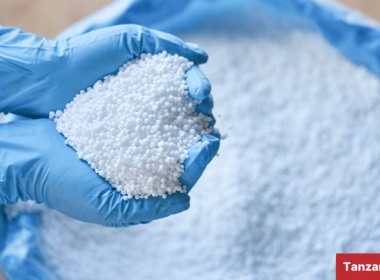
Until now, African farmers navigating fertiliser shortages have mostly been dealing with logistics and procurement failures – frustrating, but manageable. What is coming for the 2026–2027 planting seasons is neither logistical nor manageable. It is structural, and it is of a different order entirely.