
All told, this was a pretty bleak year. The COVID-19 pandemic brought tragedy and confusion; fires razed parts of Australia, the Amazon, and the Western U.S.; and the world is still barreling headlong into the sixth mass extinction of species.






All told, this was a pretty bleak year. The COVID-19 pandemic brought tragedy and confusion; fires razed parts of Australia, the Amazon, and the Western U.S.; and the world is still barreling headlong into the sixth mass extinction of species.
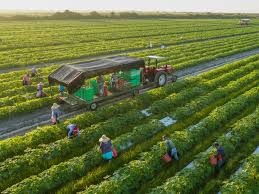
Food security is a growing concern globally, with two billion people being subject to moderate to severe food insecurity in 2019 according to the United Nation’s Food and Agriculture Organisation.
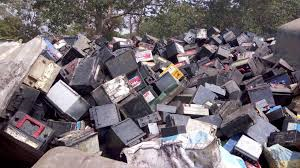
Africa is facing a serious lead poisoning problem. In Senegal, for example, researchers linked the deaths of children from processing lead waste to supply a lead battery recycling plant in a poor suburb of Dakar. Villagers supply lead waste to the plant for compensation.
As the COVID-19 pandemic, conflict and climate-related crises drive acute levels of hunger higher, the Food and Agriculture Organization of the United Nations (FAO) is seeking $1.1 billion in 2021 to save the lives and livelihoods of some of the world's most food-insecure people.
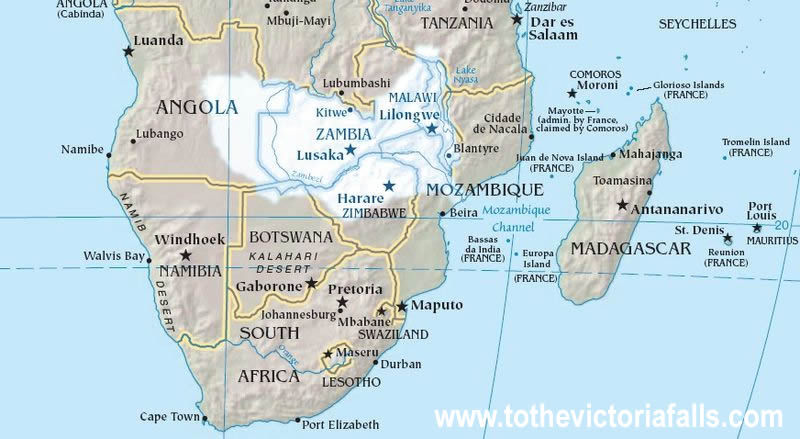
According to the World Bank, in 2013, Zambia agriculture sector’s aggregated value was USD 4.028 billion, accounting for 18% of the country’s GDP, estimated at USD 22.38 billion.

Russia has become the world’s leading wheat exporter, but the country has moved to limit the amount shipped abroad in an effort to dampen prices on its home market.