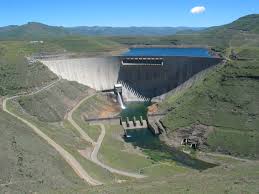

As South Africa grapples with falling dam levels and concerns about looming shortages of water, spare a thought for neighbours to the north.





As South Africa grapples with falling dam levels and concerns about looming shortages of water, spare a thought for neighbours to the north.
Another hydrological year (October – September) has passed, marking the fifth straight year of below-average rainfall.

We are living in a semi-arid country with variable rainfall, and unless a solution is found soon, South Africa will eventually be unable to support inclusive growth and economic transformation.

Water is life. For millions for years life on earth has been dependant on water for survival.

South Africa’s economy is being tossed like a cork in the stormy waters of an unprecedented and violent recalibration of the global economy.
To make water management institutions work, you must understand your resource. When and who uses it, but over the past two decades South Africa’s capability to manage its water resources has declined.