What’s in a (scientific) name?
- Hits: 2477

Take, for example, the Cyclocephala nodanotherwon, which is a type of rhinoceros beetle in the scarab family that was described by Ratcliffe in 1992.








Take, for example, the Cyclocephala nodanotherwon, which is a type of rhinoceros beetle in the scarab family that was described by Ratcliffe in 1992.

SARS-CoV-2 is the cause of the disease we know as COVID-19. While this disease has wreaked havoc on every human population worldwide, what isn’t as well appreciated is that the virus can also infect a range of animals.

South Africa has taken steps to end its multimillion-dollar lion-breeding industry, which supplies cubs for tourism, lions for trophy hunts, and bones for traditional medicine.
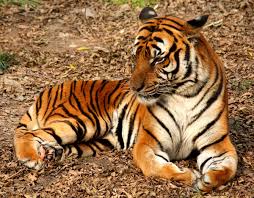
As the world celebrates the Year of the Tiger, a new report by animal welfare organisation FOUR PAWS, highlights how the South African government has allowed the breeding of tigers for commercial trade in body parts and derivatives and calls for an end to this inhumane industry.

From the air, Namibia is a maze of paths – some start as wide animal highways and merge into a single track before trailing off into dust, while others are long and deep, etching a path that crosses rivers, borders and memory.

Humans have hunted Africa’s animals since the dawn of time, but the arrival of European guns in the 17th century changed the scale of predation.