The risks of cotton farming
- Hits: 3922

Even in the advent of massive textile influx from China and second-hand clothes from other countries, cotton farming is still regarded highly in Zimbabwe.








Even in the advent of massive textile influx from China and second-hand clothes from other countries, cotton farming is still regarded highly in Zimbabwe.

My first blogpost this year was titled — Can South Africa’s sorghum industry be revived? In it, I highlighted the decline in the production of this crop, with area plantings having reached 28 800 hectares in the 2017/18 production season – the smallest area on record in a dataset starting from 1936/37.

South Africa’s agricultural machinery sales data confirms the Crop Estimates Committee’s view of increased summer grain and oilseed plantings between January and February 2019 in the western parts of the country.

South Africa has opened its 2019/19 avocado season, one that will not repeat what has been called the “astronomical increase” (or “an inundation of avocados”) of last year.
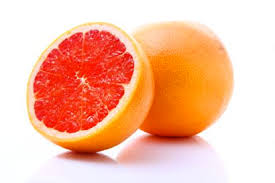
Florida grapefruit, which is considered the best of its kind in many countries, is still available. Globally, however, traders lament that the total production volume is gradually falling each year, mostly as a result of citrus greening and the weather conditions. Most of the grapefruit currently on the market comes from Israel, Turkey and Spain, where the acreage is expanding.
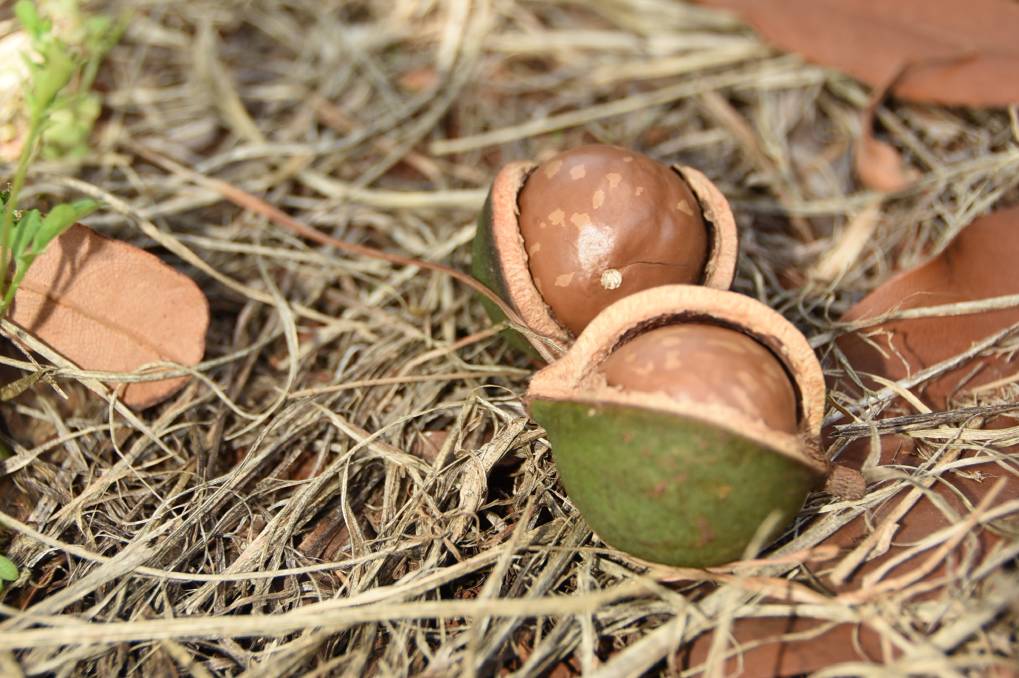
The 2018 South African macadamia crop ended on a positive note with a record crop of 56 550 tonnes of in-shell macadamias.This is approximately 4 000 tonnes higher than the previous estimate.