

Food security is a global priority – and it is becoming more urgent in the face of climate change, which is already affecting crop productivity. One way to improve food security is to increase crop yields.







Food security is a global priority – and it is becoming more urgent in the face of climate change, which is already affecting crop productivity. One way to improve food security is to increase crop yields.
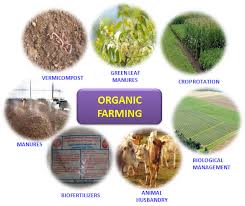
In 2000, Matthew Fitzgerald’s family started growing organic grains on 200 acres in central Minnesota. At the time, the U.S. Department of Agriculture (USDA) had just finalized the federal organic standards and many of the surrounding farmers growing conventional commodity crops saw their system as a threat and a denigration of their own practices, he recalls.
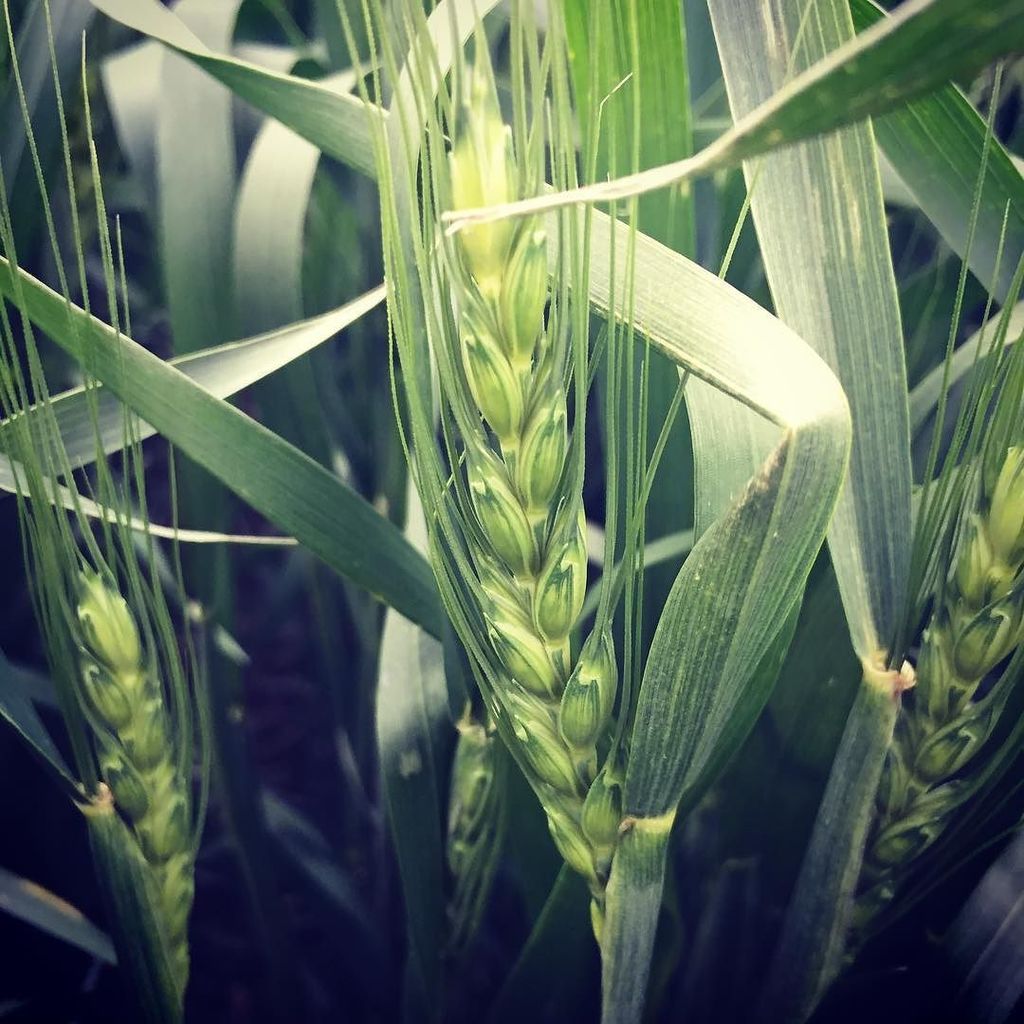
Powdery mildew certainly sounds unappealing, but for wheat farmers the fungus can mean a serious hit to the pocketbook. It infects crops, yellowing leaves and stunting growth. In countries where the blight is common, like China, the microbe can destroy up to 40% of a field, making it one of the most damaging and costly pathogens for wheat farmers.
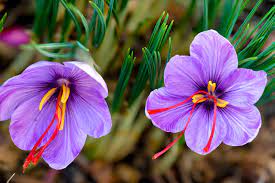
On a brisk morning in late October, wisps of snow and brittle leaves scuttle across the hillside at Calabash Gardens in Wells River, Vermont.

The global lime market is currently set for a revival, as the catering industry continues to open back up across many countries, increasing the demand for the citrus fruit.

Higher input costs, which have been the dominant feature of South Africa’s agricultural sector over the past year, will probably prevail in the coming months, with negative effects on farmers’ financial conditions.